A Brief Guide for Adult Educators. In an age where information is at our fingertips, leveraging online resources like Wikipedia can be a powerful tool for educators looking to strengthen activism among older adults, often referred to as seniors.
Introduction
Seniors bring a wealth of experience, wisdom, and knowledge that can drive positive change in our communities. By harnessing the potential of Wikipedia, adult educators can empower seniors to become active participants in shaping their world. This brief guide aims to provide some tips on how to achieve this.
Understanding the Senior Demographic
To effectively engage seniors in activism, educators should first understand their unique needs and interests. Seniors often have diverse experiences, ranging from decades of professional work to varied personal interests. Tailor your educational approach to respect these differences.
Highlighting the Importance of Wikipedia
Explain to seniors the significance of Wikipedia as a vast repository of knowledge that anyone can access and contribute to. Emphasize the idea that they have valuable insights and expertise to share.
Digital Literacy Training
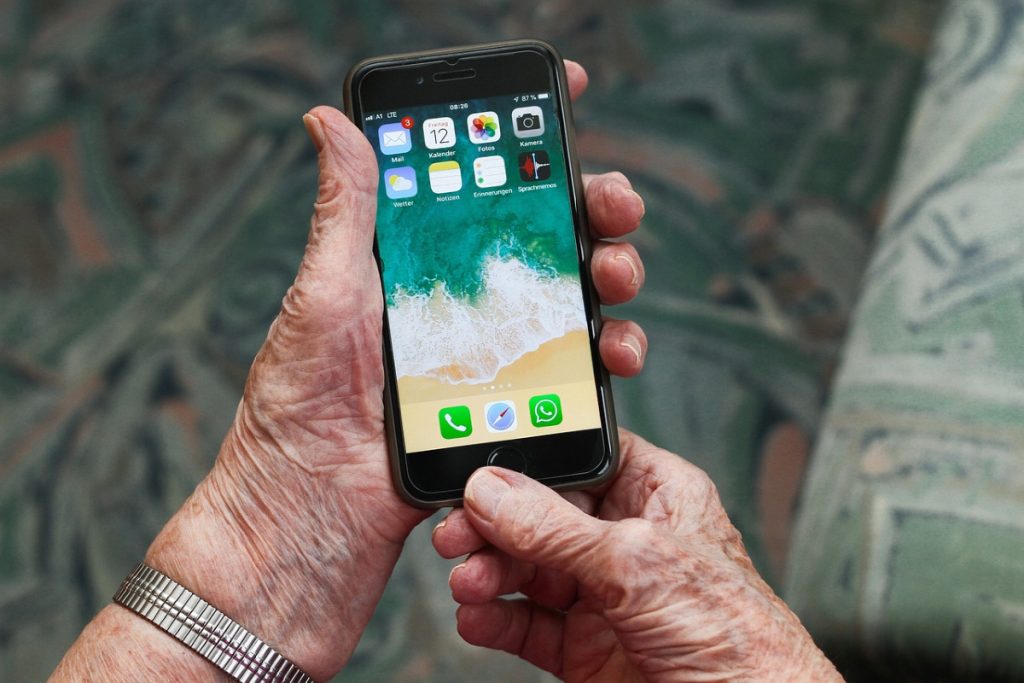
Many seniors may not be familiar with online tools like Wikipedia. Provide digital literacy training to equip them with the skills needed to navigate and edit Wikipedia. Make sure they are comfortable using computers or smartphones for online activities.
Identify Passion Projects
Encourage seniors to identify causes or subjects they are passionate about. Whether it’s local history, environmental issues, or social justice, Wikipedia has a place for all interests. Help seniors find articles related to their passions and inspire them to contribute.
Citing Reliable Sources
Emphasize the importance of citing reliable sources when editing Wikipedia articles. Seniors should understand the significance of factual accuracy and credibility in contributing to a trusted source of information.
Creating and Editing Articles
Guide seniors through the process of creating and editing Wikipedia articles. Start with simple edits like fixing typos or adding citations. As their confidence grows, they can consider creating new articles or expanding existing ones related to their interests.
Collaboration and Community
Explain that Wikipedia is built on collaboration. Encourage seniors to engage with the Wikipedia community, join relevant discussions, and learn from experienced editors. Collaboration can enhance their knowledge and effectiveness as activists.
Tracking Impact
Teach seniors how to track the impact of their contributions on Wikipedia. Understanding how their work has influenced the availability of information can be motivating and rewarding.
Recognizing Achievements
Celebrate the achievements of seniors in their Wikipedia journey. Recognize their contributions within your educational program or even publicly, as this can boost their confidence and motivation.
Sustaining Engagement
Encourage seniors to continue their activism through Wikipedia beyond your educational program. Their ongoing contributions can make a lasting impact.
Conclusion
Harnessing the power of Wikipedia in adult education can serve as a catalyst for seniors to become active change-makers in society. By providing them with the tools and knowledge needed to contribute to this global platform, educators can empower seniors to share their wealth of experience and expertise with the world. Together, seniors and educators can make Wikipedia a richer, more diverse, and more informative resource, while fostering a sense of purpose and accomplishment among older adults.
In doing so, we can create a more inclusive, engaged, and empowered senior demographic that contributes positively to our communities and society as a whole.